Building students’ vocabulary is essential for their overall reading and comprehension skills. Readers cannot make meaning out of what they are reading if they do not understand the vocabulary used in the text they are reading.
Here are five important practices that teachers can use in the classroom to enhance vocabulary development:
Building Vocabulary Tip 1:
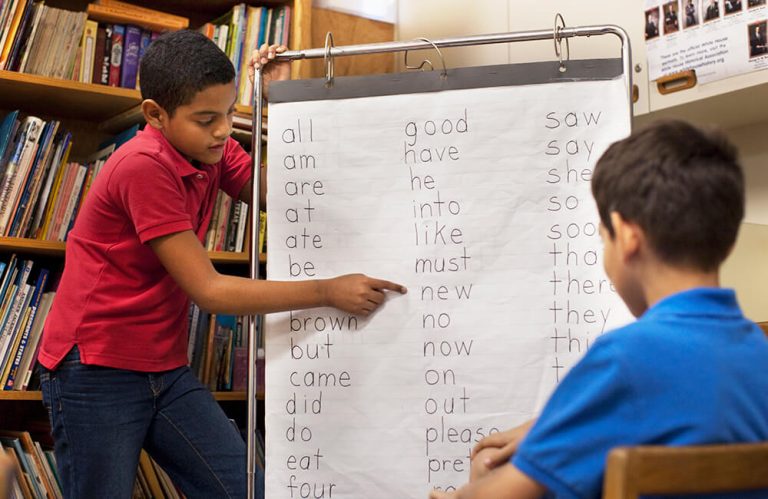
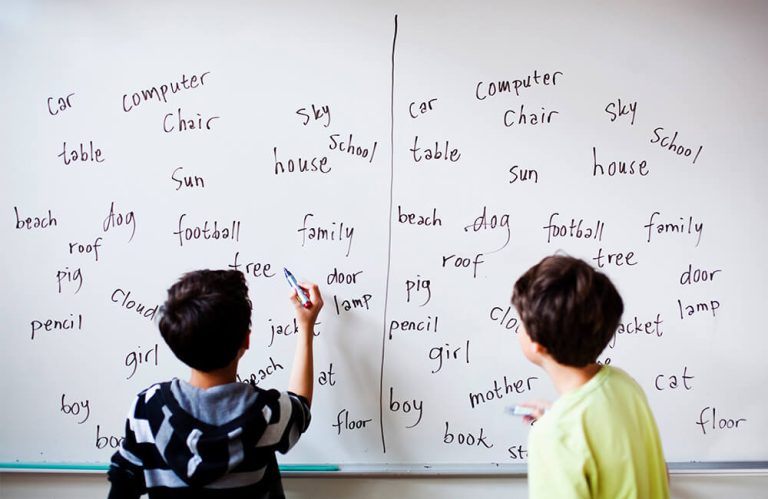
Explicit Vocabulary Instruction: Teachers should spend time directly teaching vocabulary words that are critical for understanding a specific text or concept. This can include defining words, using them in context, and engaging students in discussions about their meanings. Using strategies like word walls, word maps or graphic organizers can help solidify understanding.
Building Vocabulary Tip 2:
Contextual Learning: Encourage students to learn new words through context. This involves exposing them to rich, varied texts where they can see how words are used in sentences and real-life situations. Discussing unfamiliar words as they arise during reading helps students make connections and improves retention.
Building Vocabulary Tip 3:
Word Play and Games: Incorporate games and playful activities that focus on vocabulary. This could include word puzzles, vocabulary bingo, or competitive games like Scrabble. There are also many fun phone apps that students can use to stretch their word learning. Engaging in word-related games can make learning fun and encourage students to explore words more deeply.

Building Vocabulary Tip 4:
Reading Widely: Promote a culture of extensive reading across multiple genres and subjects. The more students read the more exposure they get to new vocabulary. Providing access to diverse materials—like books, articles, and multimedia—helps to enrich their language experience and strengthens their vocabulary lexicon.
Building Vocabulary Tip 5:
Encouraging Discussion and Use: Create opportunities for students to use new vocabulary in conversation and to see the words in their classroom environment. Ask open-ended questions that prompt children to incorporate new words into their responses.
Group discussions, writing assignments, and presentations provide a platform for using vocabulary in meaningful contexts. The more students use the words they are learning in practical ways in the classroom, the more they are likely to retain those words and be able to use them in the future.
By implementing these 5 tips, you can create a supportive environment that fosters vocabulary growth and builds students’ overall vocabulary and language skills.
If you liked this post, you may like: What Works in Primary Vocabulary Instruction or Effective Vocabulary Instruction.
You may also be interested in learning more effective strategies for vocabulary instruction in Karen’s book: The Threads of Reading: Strategies for Literacy Development.