Engaging reluctant writers in the classroom can feel like an uphill battle, but with the right strategies, you can turn writing from a dreaded task into an enjoyable and productive activity. It’s crucial for teachers to foster an environment that encourages creativity, builds confidence, and showcases the value of writing.
Here are five expert tips to help you motivate and inspire reluctant writers.
Tip 1: Create a Comfortable and Supportive Classroom Environment
One of the first steps in encouraging reluctant writers is to establish a classroom atmosphere that promotes creativity and self-expression.
Begin by setting aside time for free writing exercises where students can jot down their thoughts without the pressure of grading. Incorporate writing prompts that spark interest, such as personal experiences, favorite hobbies, or fictional scenarios.
By allowing students to choose topics that are meaningful for them, teachers can reduce anxiety and boost engagement, making writing feel like a valued form of communication rather than a chore.
Tip 2: Build in Technology and the Use of Multimedia Tools
In today’s digital age, incorporating technology into the writing process can be a game-changer for reluctant writers. Tools like blogs, social media, and video platforms provide students with alternative avenues for expressing their thoughts and stories.
For example, encouraging students to create a blog about their interests or using an app for storytelling can make the writing process more interactive and enjoyable.
Allowing students to create multimedia presentations can further enhance student engagement, stimulate interest, and allow student creativity to shine. For example, students can research topics of interest and then create video presentations using AI-generated images and videos to present to other members of the class or even their parents. By capitalizing on student interests, writing becomes more relatable to their daily lives and interests.
Tip 3: Provide Constructive Feedback to Reluctant Writers and Celebrate Progress
Feedback is essential in building confidence among reluctant writers. Instead of focusing solely on grammar and mechanics, you should emphasize the positive aspects of a student’s work, highlighting their unique voice and ideas.
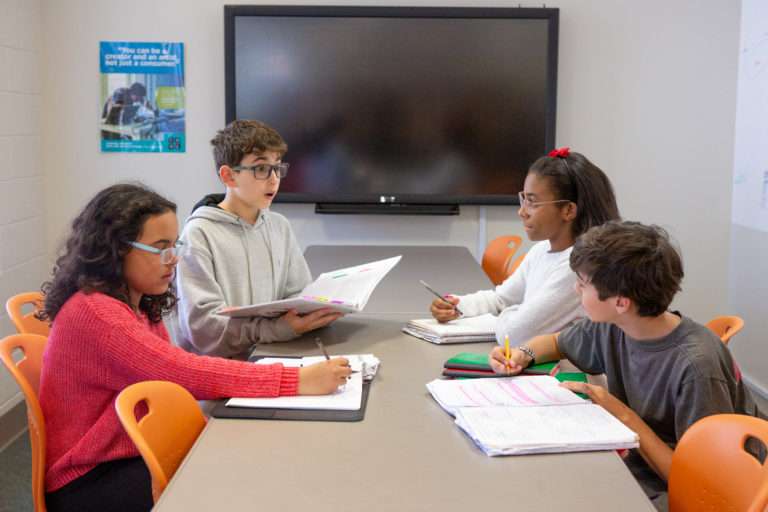
Set up a system of peer reviews where students can provide supportive feedback to one another, fostering a sense of community and collaboration. Celebrate small victories each student makes such as finishing a piece of writing or simply participating in a class discussion. These interactions can significantly boost a student’s motivation and encourage them to take further steps to become a stronger and more proficient writer.

Tip 4: Offer Choices to Strengthen Personal Agency in Reluctant Writers
Empowering students by giving them choice and positive support can significantly impact your student’s willingness to write. Allow students to select their writing genres—be it poetry, narratives, essays, or scripts—based on their interests.
Provide a range of assignment options that cater to various skill levels and learning styles. This can help make writing feel more relevant and less intimidating. By giving reluctant writers a say in their writing project, they are more likely to engage and invest in the process, ultimately leading to improved skills and confidence.
Tip 5: Use the SPAWN Technique to Support Reluctant Writers
Struggling with how to get reluctant writers to revise and/or strengthen their work? A technique called SPAWN, developed by Martin, Martin, and O’Brian in 1984 and recently reintroduced by Grozo (2003) may be just what you need. The 5 writing options you can present to your students include the following:
S – Special Powers. The student can change some aspect of the text or topic. Their writing then explains what was changed, why it was changed, and how the change improved the writing.
P – Problem Solving. Students are asked to write possible solutions to problems that have been proposed in a book they have read or in the material being studied.
A – Alternative Point of View. The student retells a story they have written from a different character’s point of view or uses a different perspective to create a new version of the story
W – What If? Students are allowed to respond to a change they have made in some aspect of the topic or the story. They consider the change and then write about how the change improved or positively changed the work.
N – Next. After reading a portion of the text, students describe what they think the author will discuss, explain, or have happen next in the specific text. Students provide evidence to support their predictions.
By applying one or more of these tips in the classroom, you will be able to capitalize on student interests and help your students use writing as a meaningful communication tool that they feel confident and comfortable using as their skills grow.
If you liked this article, you may like: Helping Students Become Better Writers.
You may also like this article from Edutopia: Gaming as a Tool for Narrative Writing.
Learn More about teaching reading and writing in Karen’s ASCD book, Literacy Strategies for Grades 4-12: Reinforcing the Threads of Reading.